
Berlin, Germany
Berlin for solo female travellers
Spread out, relaxed and unusually good for anyone out late — the U-Bahn and S-Bahn simply don't stop at weekends. Here's how the night network works and which districts suit a solo trip.
Free Berlin solo safety checklist
Reception hours, arrival after dark, and what to check before you book in Berlin — short enough to actually use. Instant access + email tips.
Prefer a dedicated page? Open the checklist landing.
Planning your stay
Dates pre-filled: 2 Nov – 4 Nov · 2 nights
We've set a two-night stay a couple of weeks out so you can see real prices straight away. Change the dates, the length and the number of travellers on the results page — nothing here is locked in.
How we help
- Filter for rating, budget and free cancellation; see safety signals on each stay
- Neighbourhood safety tips and area guidance
- Free cancellation options so you stay flexible
- Stays reviewed and rated by women travellers
What Berlin is known for
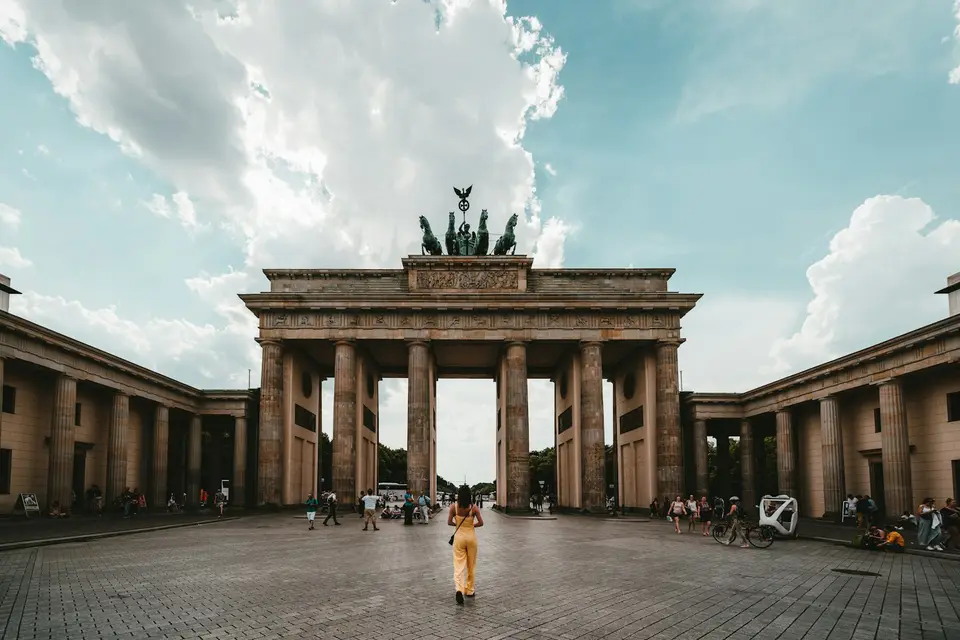
- The Brandenburg Gate, Reichstag dome and Museum Island
- East Side Gallery and the Berlin Wall Memorial on Bernauer Straße
- A nightlife scene that genuinely runs until morning
- More green space and water than almost any other European capital
- Distances that make the U-Bahn essential rather than optional
Where to stay – neighbourhood guide
Mitte
RecommendedThe historic centre and where most of the landmarks are. Transport is at its densest here, hotels tend to be larger with proper 24-hour front desks, and the streets around Hackescher Markt stay busy in the evening. The trade-off is that parts of Mitte are office districts that empty at night.
Prenzlauer Berg
RecommendedNorth-east of Mitte, largely residential, with wide leafy streets, cafés and a strong local population. It's the district visitors most often describe as feeling calm after dark. The U2 runs through it and the tram network fills the gaps.
Charlottenburg
RecommendedThe old West Berlin centre, built around the Kurfürstendamm boulevard. Wide, well-lit streets, department stores, and a quieter, more established feel than the east. Well served by both U-Bahn and S-Bahn, roughly 20 minutes from Mitte.
Friedrichshain and Kreuzberg
Extra awarenessThe centre of Berlin's nightlife and genuinely enjoyable, but very busy and very drunk after dark, especially around Warschauer Straße and the Simon-Dach-Straße bars. Fine to go out in; less restful to sleep in if you want quiet.
Kottbusser Tor and Görlitzer Park
Extra awarenessBoth are well known locally for an open drug scene, which the city acknowledges and polices. You are unlikely to be targeted, but the atmosphere at night is not comfortable for everyone and it is worth choosing deliberately rather than by accident when booking.
Solo female safety tips for Berlin
- On Friday and Saturday nights and before public holidays, the U-Bahn and S-Bahn run all night — U-Bahn roughly every 15 minutes, S-Bahn every 30 (the U4 is the exception). That makes Berlin one of the easiest European cities to get home in at 04:00.
- From Sunday to Thursday the trains stop around 01:00 to 01:30 and night buses take over. The N-prefixed lines N1–N3 and N5–N9 follow the corresponding U-Bahn routes (there is no N4, matching the U4 which does not run at night), so the replacement is usually a bus with the same number as the line you wanted.
- The MetroTram runs 24 hours a day, every 30 minutes from 00:30, which covers much of the east when the trains are down.
- Buy and validate a ticket before you board. There are no barriers, inspections are frequent, inspectors are in plain clothes and the penalty fare is €60 with no discretion for tourists.
- Berlin still runs on cash to a surprising degree — plenty of bars, Spätis and smaller restaurants take no cards at all. Carry enough for a taxi home.
- The Hilfetelefon on 116 016 is free, staffed 24/7, and offers interpreting in a range of languages. 112 is the emergency number; 110 reaches the police.
Getting around safely
Berlin Brandenburg's railway station sits directly under Terminal 1, so the transfer is entirely indoors. The FEX airport express reaches Hauptbahnhof in about 30 minutes and runs every half hour; the S9 and S45 are slower but hit more of the city directly, and regional trains cover the same route. Note that the airport is in fare zone C, so you need an ABC ticket rather than the standard AB. Within the city, distances are long enough that walking between districts is rarely realistic — plan around the U-Bahn.
If you need help in Berlin
Worth saving before you travel, not after. In an emergency anywhere in Europe, call 112.
Hilfetelefon Gewalt gegen Frauen · 116 016
Germany's national violence-against-women helpline. Free, anonymous, staffed around the clock, with interpreters available in many languages.
Frequently asked questions
- Is Berlin safe for solo female travellers?
- Berlin is widely considered one of the more comfortable European capitals for women travelling alone. It's tolerant, informal and used to people doing their own thing, and the transport network runs late enough that you're rarely stuck. The most common problems reported by visitors are pickpocketing at crowded stations and around Alexanderplatz, and the general unpleasantness of a few specific late-night hotspots.
- Which district should I stay in?
- Prenzlauer Berg if you want somewhere residential and calm, Mitte if you want to walk to the landmarks, Charlottenburg if you'd prefer wide, well-lit streets and a quieter west-side feel. Friedrichshain and Kreuzberg are excellent for going out and less restful for sleeping.
- Does Berlin public transport run all night?
- At weekends, yes. On Friday and Saturday nights and before public holidays the U-Bahn and S-Bahn run continuously, at roughly 15 and 30 minute intervals. On weeknights they stop between about 01:00 and 01:30, and night buses numbered N1–N3 and N5–N9 follow the U-Bahn routes until service resumes.
- Do I really need to buy a ticket if there are no barriers?
- Yes. Berlin runs an honour system backed by frequent plain-clothes inspections, and the penalty fare is €60 regardless of whether you understood the system. Validate the ticket in the machine on the platform before boarding, and remember the airport is in zone C.
- Is it safe to go out alone at night in Berlin?
- It's normal, and the all-night weekend transport makes it more practical than in most cities. The standard precautions apply in the busiest nightlife areas — keep your drink with you, keep your phone and bag secured in crowds around Warschauer Straße, and have a route home in mind before you set off rather than after.
Dates pre-filled · 2 Nov – 4 Nov · 2 nights
Ready to find your stay in Berlin?
You can change dates, travellers and filters on the results page.
Find safer stays in BerlinOther safer stays for solo women
Spain
Barcelona
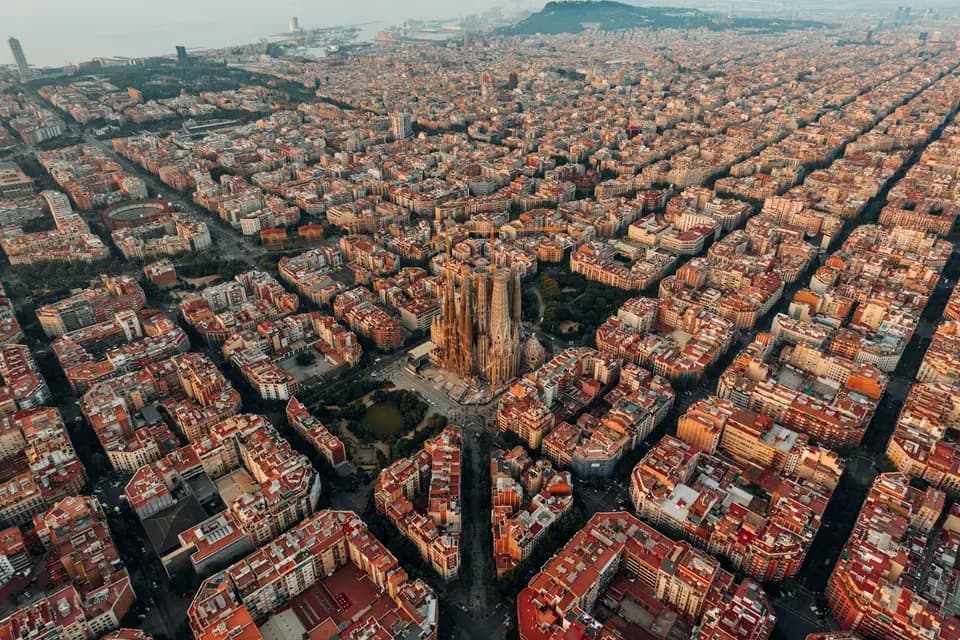
A walkable, late-running city where the main risk to plan around is theft, not violence. Here's which neighbourhoods put you near a staffed reception and a metro entrance, and how to get back after midnight.
Netherlands
Amsterdam
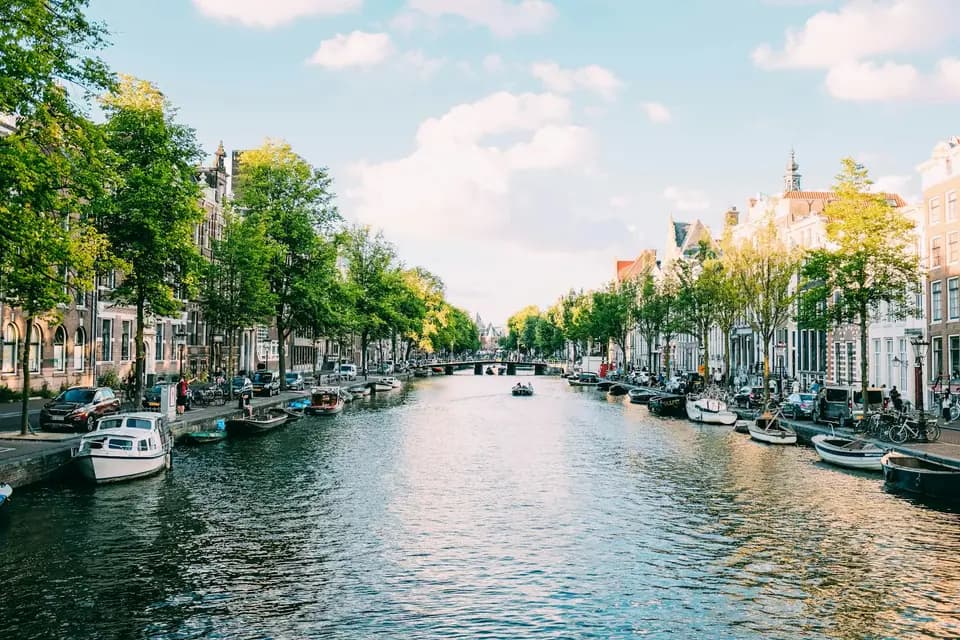
Small, flat and easy to cross on foot — with two things that catch visitors out: the trams stop just after midnight, and the red asphalt is a bike road, not a pavement. Here's how to stay somewhere calm and get home after the last tram.
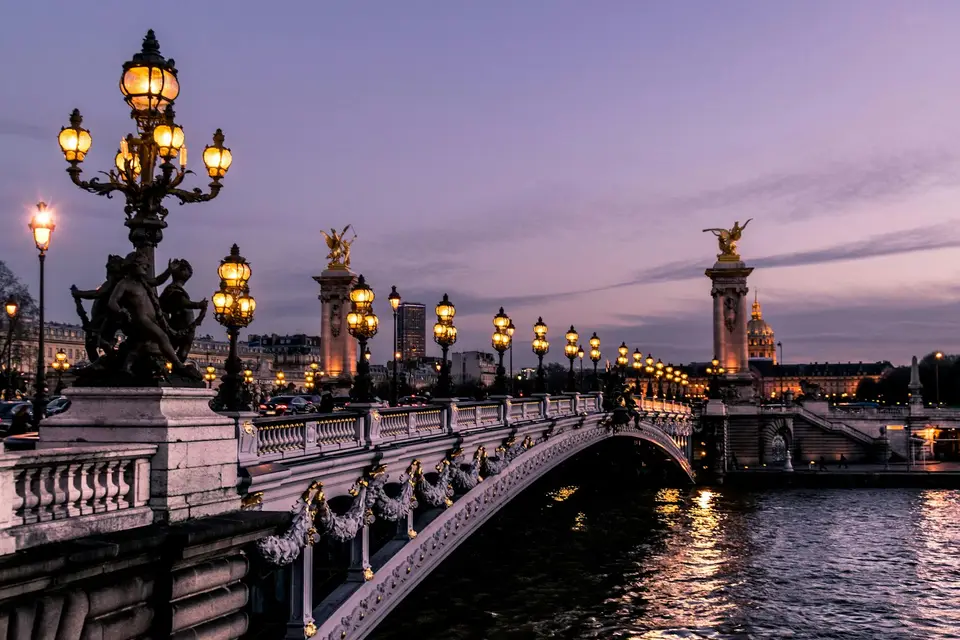
France
Paris
A city built for walking alone, with an excellent late metro and a well-rehearsed set of street scams. Here's where to base yourself, how the last train really works, and which approaches to ignore.